The Health Benefits of Tai Chi:
What the Research Says — and How to Start Gently
Tai chi is often called "meditation in motion": slow, flowing movements done with relaxed, deep breathing and a calm, focused mind. It began as a Chinese martial art, but today millions of people practise it simply to feel steadier, looser and less stressed. It needs no equipment, can be done standing or seated, and is gentle enough for almost any age.
Tai chi is also part of two of our in-home programs. Here is what the research actually shows — including where the evidence is strong and where it is still early.
The strongest evidence is for better balance and fewer falls in older adults and for less pain and stiffness in knee osteoarthritis. Smaller studies suggest tai chi may also help with low-back pain, fibromyalgia, sleep, mood, stress and quality of life in people living with heart or lung conditions or recovering from cancer treatment. It is generally very safe.
Where the Evidence Is Strongest
1 · Balance and fall prevention
Falls are a leading cause of injury in older adults. According to the U.S. National Center for Complementary and Integrative Health (NCCIH), a 2019 review found high-certainty evidence that tai chi may reduce the number of older people who fall by about 20 percent. The slow weight shifts, turns and single-leg moments train leg strength, posture and body awareness at the same time.
2 · Knee osteoarthritis
The American College of Rheumatology and Arthritis Foundation guidelines (2019) strongly recommend tai chi for knee osteoarthritis. Studies show improvements in pain, stiffness and everyday function — likely because it strengthens the muscles around the knee through gentle, low-impact movement.
Promising Benefits (Smaller Studies)
- Low-back pain — tai chi alone or with physical therapy may reduce pain and improve daily function
- Fibromyalgia — reduced pain, with some reports of better sleep, less fatigue and better mood
- Stress, mood and sleep — slow breathing and movement help many people feel calmer; studies on sleep and depression are encouraging but mixed
- Heart health — better quality of life and well-being in people with heart disease; possible small effects on blood pressure
- COPD — improved exercise capacity and quality of life in early studies
- Cancer survivors — improvements in fatigue, sleep and quality of life have been reported, though researchers say firm conclusions cannot yet be drawn
In other words: tai chi is not a cure for anything, and it does not replace medical care. But as gentle, whole-body movement with a strong safety record, it is one of the easiest healthy habits to start.
Why Tai Chi Pairs Well With Massage
Tai chi and manual lymphatic drainage share the same idea that inspired our name: flow. Slow, deep breathing and rhythmic movement gently engage the muscles and diaphragm, which help move lymph and blood. A few minutes of guided tai chi before a session also helps the body relax, so the hands-on work that follows feels deeper and the calm lasts longer.
- VIP Wellness Ritual at Home — guided tai chi, manual lymphatic drainage and neck & shoulder release in one private in-home session: $500 / 120 min or $600 / 150 min (Couples VIP available).
- Cancer Recovery Care at Home — about 30 minutes of very gentle tai chi breathing and movement, then light lymphatic drainage and relaxation massage: $500 / 120 min. Written clearance from your oncologist or physician is required. This is supportive comfort care, not cancer or lymphedema treatment.
- Senior Gentle Care at Home — unhurried, gentle massage for older adults, with family welcome to stay.
All in-home programs are created by Tina Zhang and delivered by Tina or a trained, California-licensed therapist on her team. Travel is included within about 60 km of Mountain View; extended areas farther out add +$50 or +$80 per visit.
How to Start Safely
- Start slowly. Five to ten minutes a day is enough at first. Movements should never hurt.
- Sitting is fine. Seated tai chi works well if balance is a concern or you are recovering from illness or surgery.
- Breathe naturally. Slow, relaxed breathing through the nose; never hold your breath.
- Use support. Keep a sturdy chair or counter nearby for balance practice.
- Check with your doctor first if you are pregnant, recovering from surgery, have joint replacements, osteoporosis, dizziness or a heart or lung condition.
Research summary based on “Tai Chi: What You Need To Know”, U.S. National Center for Complementary and Integrative Health (NIH). This article is general wellness information, not medical advice.
Frequently Asked Questions
What are the main health benefits of tai chi?
The strongest evidence shows tai chi improves balance and reduces falls in older adults and eases pain, stiffness and function problems in knee osteoarthritis. Smaller studies suggest benefits for low-back pain, fibromyalgia, stress, mood, sleep, and quality of life in people with heart or lung conditions or after cancer treatment.
Is tai chi safe for seniors?
Yes. Tai chi has a strong safety record; reported side effects are usually minor aches. It can be done standing with support or seated. Older adults with balance problems, joint replacements or heart conditions should check with their doctor first.
Can tai chi help lymphatic drainage?
Slow, deep breathing and gentle rhythmic movement engage the diaphragm and muscles, which help move lymph and blood. HyFlow uses guided tai chi before manual lymphatic drainage in its VIP Wellness Ritual and Cancer Recovery Care at home. Tai chi supports wellness; it does not treat lymphedema.
Where can I try guided tai chi with massage in the Bay Area?
HyFlow Massage LLC offers the VIP Wellness Ritual at home (guided tai chi, lymphatic drainage and neck and shoulder release, $500 for 120 minutes or $600 for 150 minutes) and Cancer Recovery Care at home ($500 for 120 minutes, physician clearance required), up to about 2 hours from Mountain View.
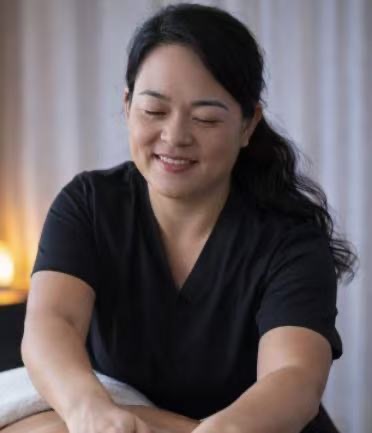
About the Author
Tina Zhang, CMT is the owner and lead therapist of HyFlow Massage LLC in Mountain View — a California Certified Massage Therapist trained in Vodder-method manual lymphatic drainage through Klose Training. She and her team of licensed therapists provide lymphatic drainage, therapeutic and in-home massage across the Bay Area. More about Tina →
Book In-Home Massage
Book online or text (408) 668-6562 — open daily 9 AM – 9 PM, minimum 90 minutes for mobile sessions.
Travel included within about 60 km of Mountain View (+$50 / +$80 per visit in extended areas) · HSA · FSA · Superbills on request